
Why translating WordPress plugin language files is slower than it needs to be
Published July 18, 2026

If your business runs a multilingual WordPress site—whether for an e-commerce store, a membership portal, or a corporate brochure—you have probably faced the hidden tax of translating plugin language files. The typical workflow involves downloading a .po file, opening it in a desktop editor like Poedit, scrolling through hundreds of lines, translating each string one by one, saving, and then re-uploading. For a site with 10 plugins, that process can easily consume half a day every time an update drops.
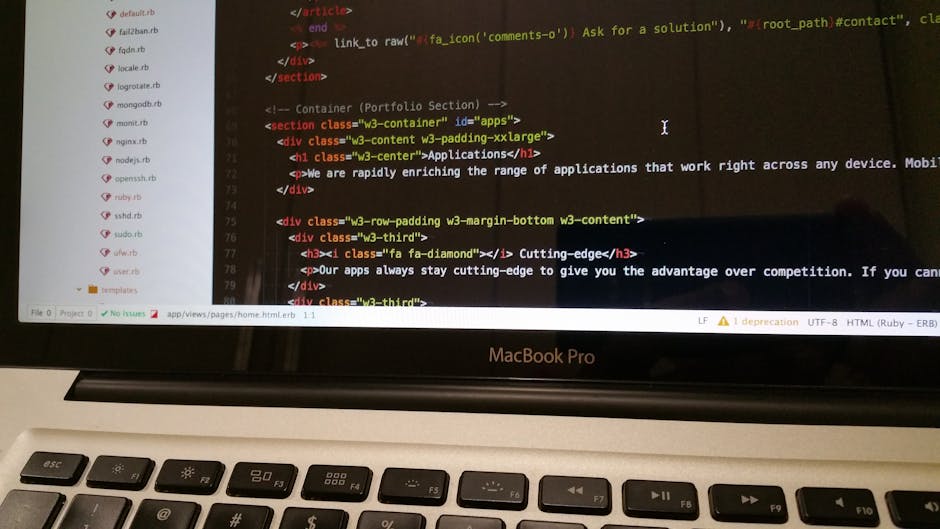
Worse, the work is notoriously error-prone. One misplaced quote, one forgotten placeholder like %s or {{variable}}, and the plugin breaks silently on the front end. Non-technical team members rarely touch these files, so the task falls on a developer who could otherwise be building features or fixing bugs. This is not just tedious—it is a drag on team velocity and a source of recurring maintenance debt.
What most teams get wrong about .po translation
Many businesses assume that once a plugin is translated, the work is done. In reality, plugin authors release updates frequently—sometimes weekly—and each update can introduce new untranslated strings. The .po file grows, and the translation backlog piles up. Relying on manual edits means someone must track every change across every plugin version.
Another common misconception is that machine translation is too unreliable for production content. While raw Google Translate output can be risky, the real value lies in bulk AI translation that respects context, preserves placeholders, and lets a human reviewer approve or tweak the result. The bottleneck is not the quality of the translation—it is the mechanical work of extracting strings, matching them to a translation memory, and re-integrating them without breaking the file format.
Why the .po format is harder than it looks
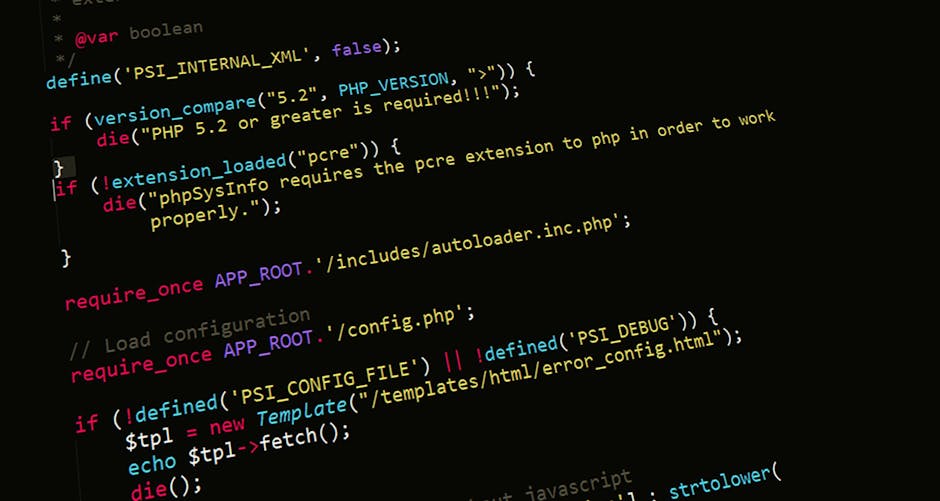
A .po file is not just a list of source and target strings. It contains metadata, plural forms, and special markers for placeholders like %1$s or {count}. A naive find-and-replace or a generic translation tool will mangle these markers, causing runtime errors. The result? A site that shows blank spaces, broken layouts, or even PHP warnings. Cleaning up after a bad translation can take longer than doing it right the first time.
This is why many in-house teams end up maintaining a small dedicated translation workflow—or outsourcing to a translation agency. But agencies charge per word and have turnaround times of days, not minutes. For a startup or a lean marketing team, that is both expensive and slow.

How AI changes the equation for .po translation
Modern AI language models have reached a point where they can handle domain-specific vocabulary and maintain context across related strings. When applied specifically to .po files, the key advantage is speed and format safety. Instead of opening each file in a desktop application, you upload the .po or .pot file, let the AI process all strings in bulk, review the output, and export the final .po (and optionally .mo) file.
This approach dramatically reduces the manual handling of placeholders. The AI is instructed to preserve every %s, %d, and {{variable}} while translating the surrounding text. The reviewer only needs to verify the naturalness of the translation, not worry about breaking the file structure.
Enter the PO / POT Translator
One tool that embodies this approach is the PO / POT Translator. It is a lightweight online tool designed specifically for WordPress developers and site owners. You upload your .po or .pot file, select the target language, and the AI translates every string while preserving placeholders. The result is a downloadable .po file (and .mo binary if needed) that you can drop straight into your plugin’s language folder.
Because it is pay-as-you-go with credits (from 30 credits), there is no monthly subscription. You only pay for the files you translate. This is ideal for agencies that handle multiple client sites or for internal teams that translate sporadically. The tool fits into the existing workflow: download the .po from the plugin, upload, translate, download, and deploy.
What to look for in a .po translation tool
If you are evaluating whether to adopt a tool like the PO / POT Translator, here is a quick checklist for business buyers:
- Placeholder integrity. Does the tool guarantee that %s, %d, {{variable}}, and other markers are never altered?
- Bulk processing. Can it handle files with hundreds or thousands of strings in one go?
- Export format. Does it output both .po and .mo files? The .mo binary is what WordPress actually reads.
- Review workflow. Does the tool allow you to review and edit translations before final export?
- Pricing model. Is it per-file, per-word, or subscription? For low-volume work, pay-as-you-go is usually cheaper.
Real-world impact: from hours to minutes
Consider the case of a typical WooCommerce site with 15 active plugins that receive monthly updates. Traditionally, a developer might spend 2–3 hours each month just updating language files. With a bulk AI tool, that shrinks to about 15–20 minutes of uploading, reviewing, and deploying. Over a year, that is nearly 30 hours of reclaimed developer time—time that can go toward improving the site’s performance, adding new features, or reducing technical debt.
For marketing teams who manage multilingual content, the benefit is even clearer. They can now own the translation process without needing developer handholding. The tool becomes a self-service resource that sits between the plugin’s language file and the live site.
Ready to test it on your next plugin update?
If you are tired of the manual .po shuffle and want to see how fast bulk AI translation can be, give the PO / POT Translator a try. Upload one of your existing .po files, run a translation, and see for yourself how much cleaner the workflow becomes. Your multilingual users will thank you—and so will your developers.