
What Really Happens to Rankings When You Switch SEO Agencies or Designers
Published July 14, 2026

When a business decides to move on from its current SEO agency or web designer, the first question decision-makers ask is: "Will our rankings reset?" The short answer is it depends — entirely on what the previous vendor built, how they built it, and what the new partner inherits. Unlike changing an accountant or a payroll provider, switching SEO or design vendors carries real technical risk because search engines treat your website as a living asset, not a static document.

Why the Risk Exists in the First Place
Search rankings are fragile because they rest on a foundation of accumulated signals: backlinks, content relevance, technical structure, and user experience signals. When a new agency takes over, they often need to change parts of that foundation — or at minimum, audit it. Every change, even well-intentioned, can temporarily confuse search engine crawlers. Google does not issue a "reset button" when you switch vendors; instead, it reevaluates your site's trustworthiness based on what the new team does.
The most common scenario that triggers a ranking drop is when the previous agency used aggressive or spammy techniques — like private blog networks, keyword stuffing, or excessive redirects — that the new team discovers only after migration. Cleaning that up can cause a temporary dip before recovery. But even with clean practices, switching CMS platforms or redesigning navigation often leads to a 4- to 12-week volatility period.
What the New Vendor Inherits Matters
Before signing a contract, smart buyers ask for a thorough audit of what they own. Many businesses discover their previous agency retained control of the domain registrar, the Google Search Console, or the analytics account. Without those credentials, the new team is effectively blind. We have seen cases where a departing agency removed all tracking codes or deleted custom post types out of spite — a real but underreported risk.
Another hidden inheritance is the backlink profile. If the old vendor built links on low-quality directories or expired domains, those links may already be flagged by Google. The new team can either disavow them (risking a temporary loss of link equity) or leave them (risking a manual penalty later). Neither option is ideal, and both require time.
What a Responsible Transition Looks Like
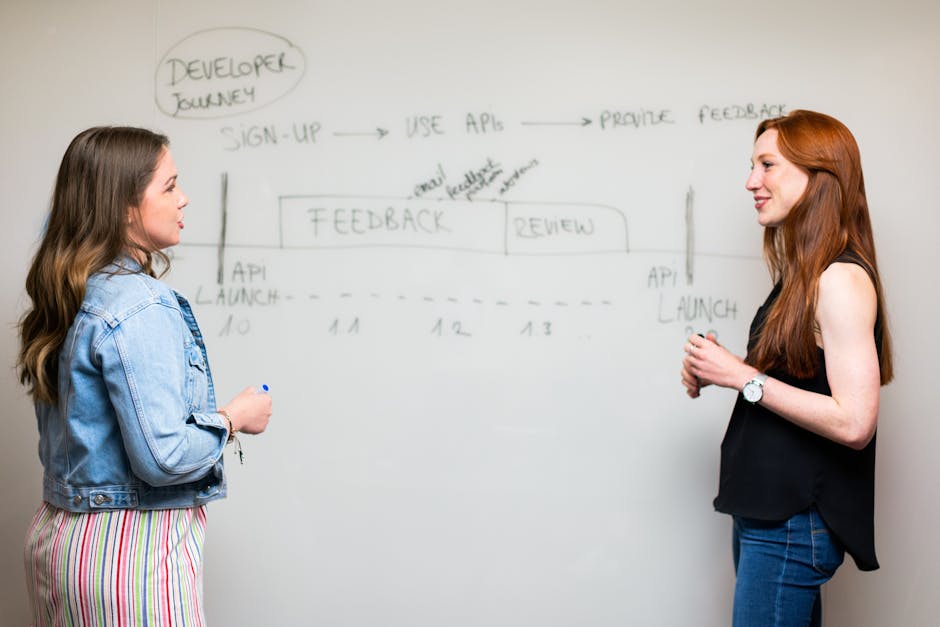
A professional transition should follow a phased handover, not a cutover. In our experience, the safest approach is a 4- to 6-week overlap where both teams cooperate on a migration plan. During this period, the new team should:
- Audit all technical SEO elements: robots.txt, sitemaps, canonical tags, redirect mappings, and index coverage.
- Back up the entire website, including database, files, and third-party configurations.
- Verify that all tracking and analytics are correctly set up and owned by the client.
- Run a full crawl to identify broken links, duplicate content, and thin pages that need consolidation.
- Test any planned design or CMS changes on a staging environment before going live.
Businesses should insist on a written transition checklist in the new contract. If a prospective agency cannot articulate a clear handover process, that is a red flag that they may treat your site as an experiment.
The Timeline to Recovery
If the transition is managed well, most rankings stabilise within 6 to 10 weeks. For sites with heavy customisation or a large backlink profile, full recovery may take 3 to 6 months. For sites that were already underperforming due to bad SEO, the new team may actually improve rankings after a short dip, but that is not guaranteed.
One factor that accelerates recovery is the presence of high-quality, original content that does not depend on the CMS. If your core pages are well-written, unique, and structurally sound, the search engine will reindex them faster after a migration. Conversely, if the site relied heavily on dynamically generated or thin content, the reset risk is higher.
Another factor is the level of technical debt. Sites built on custom WordPress themes with inline JavaScript and no caching layer often break when a new team tries to optimise them. We have seen projects where the previous developer hardcoded URLs into PHP files, making a simple domain change into a week-long debugging exercise.

How to Protect Your Business Before You Switch
The best time to protect your rankings is before you sign a termination letter. Here is a short checklist for decision-makers:
- Gather all login credentials: domain registrar, hosting, Google Search Console, Google Analytics, SEO plugins, CMS admin.
- Request a full export of all content, including images and media files.
- Ask the current agency for a list of all third-party services they used — link-building platforms, monitoring tools, A/B testing software.
- Document all current rankings for your top 20 most valuable keywords, using a tool like Google Search Console or a third-party rank tracker.
- Require a handover report that explains the technical architecture and any known issues.
If the current vendor refuses or delays, that is a strong signal that they are not acting in your interest. In that case, you may need to treat the transition as a partial rebuild rather than a migration.
The Bottom Line for Buyers
Switching SEO agencies or designers does not automatically reset your rankings, but it does introduce a period of uncertainty that can last weeks or months. The risk is highest when the previous work was opaque or technically fragile, and lowest when both teams collaborate on a phased handover. As with any procurement decision, due diligence upfront saves costly recovery later.
If your team is evaluating a change and wants a clear-eyed assessment of what your current setup really looks like — without the sales pitch — talk to us. We help businesses navigate these transitions with minimal disruption, because your rankings are too valuable to gamble on.