
Choosing a Restaurant WordPress Theme: A Buyer's Checklist for Premium Dining Brands
Published August 10, 2026

When a guest searches for your restaurant, your website is the digital equivalent of your storefront. It sets expectations, communicates your brand's tone, and often determines whether someone makes a reservation or scrolls to the next option. Yet many restaurant owners treat their website as an afterthought—a basic page with a menu PDF and a phone number.
For premium dining establishments, this is a costly mistake. A generic, slow, or visually underwhelming site can undermine the entire brand experience before a single dish is served. The solution isn't necessarily a custom build costing tens of thousands of dollars. A well-chosen WordPress theme, configured with care, can deliver a sophisticated online presence at a fraction of the cost—provided you know what to look for.
The Real Problem: Your Website Is a Salesperson
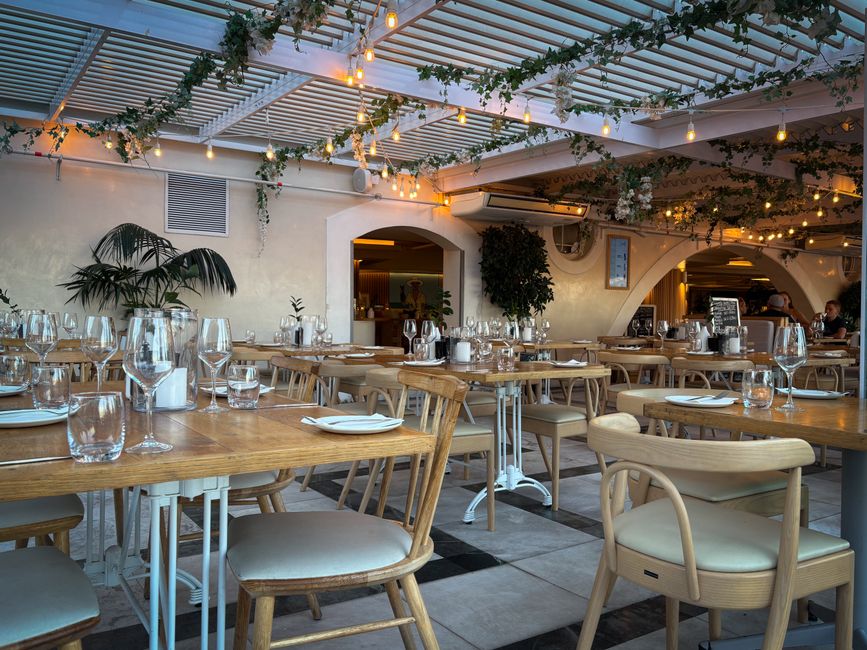
Think about what your website needs to do. It must convey atmosphere, build trust, and drive action—typically reservations, private event inquiries, or gift card purchases. For boutique restaurants, private chefs, and premium dining experiences, the visual design is not decorative; it's functional. A minimalist, high-end aesthetic tells guests you're serious about craft. A cluttered or outdated layout signals the opposite.
But aesthetics alone aren't enough. The site must load quickly, work flawlessly on mobile, and be easy for your team to update. This is where many restaurant owners get stuck. They either settle for a generic template that looks like every other restaurant site, or they commission a custom build that exceeds their budget and timeline. There's a middle path, and it starts with choosing the right premium theme.
What to Evaluate Before Buying a Restaurant WordPress Theme
If you're considering a WordPress theme for your restaurant, treat the selection like you would a key vendor. Here are the criteria that matter most for a premium dining brand:
Visual Identity and Brand Alignment
The theme should be a canvas, not a cage. Look for clean typography, generous whitespace, and flexible layout options that let you showcase your food photography and ambiance without fighting the template. Avoid themes that force you into a specific color scheme or layout style. The best themes are those that feel neutral yet refined, allowing your brand to shine through.
Also, consider the theme's demo content. If the demo looks like a fast-casual burger joint, it's probably not the right fit for a fine-dining experience. Ask yourself: does this theme make my brand look more expensive, or less?
Performance and Technical Foundation
Speed is non-negotiable. A one-second delay in load time can cut conversions by up to 7%. For restaurants, that means lost reservations. A well-coded theme, built on a solid framework, will be lightweight and fast out of the box. Check for compatibility with caching plugins, lazy loading, and modern image formats. Avoid themes that are bloated with unnecessary features you'll never use.
Equally important is responsiveness. Over 60% of restaurant website visits come from mobile devices. The theme must look flawless on a phone, especially for viewing menus and making reservations. Test the demo on your own phone before purchasing.
Ease of Maintenance for Your Team
You don't want to call a developer every time you change your menu. A good theme should include an intuitive admin interface, ideally with a page builder that lets your staff update content without touching code. Look for themes that offer custom post types for menu items, events, and testimonials, so you can manage everything from one dashboard.
Also, check how often the theme is updated. Restaurants are dynamic—menus change, hours shift, promotions come and go. A theme with regular updates and a dedicated support team is a safer investment than an abandoned one.
Total Cost of Ownership
The theme price is just the entry point. Consider the cost of required plugins, premium page builders, and potential customization work. Some themes are 'free' but require a paid plugin to unlock basic features. Others, like Veloq - Premium Restaurant & Dining WordPress Theme, come with everything you need for a reasonable one-time fee.
Also think about ongoing costs: hosting, SSL, maintenance, and updates. A premium theme should reduce these costs by being compatible with standard tools and not requiring constant developer intervention.

Why Veloq Fits the Premium Dining Segment
When we evaluate themes for our clients, we look for a balance of aesthetics, performance, and usability. Veloq checks those boxes for boutique restaurants, private chefs, and premium dining experiences. Its design language is sophisticated—think muted tones, elegant serifs, and immersive imagery—rather than loud and generic.
Veloq is built for storytelling. It gives you the structure to present your chef's philosophy, showcase your menu as a visual journey, and make reservations feel seamless. The theme is lightweight and responsive, so your site will look sharp on any device. And because it's a WordPress theme, you retain full control over your content—no proprietary lock-in.
For a budget of $19, you're not just buying a theme; you're buying a head start. You avoid the cost and time of a custom design, and you get a professional foundation that can be tailored to your brand with minimal effort. That's a smart trade-off for a business that needs to focus on the kitchen, not the CMS.
Common Pitfalls to Avoid
Even with a good theme, mistakes happen. Here are the ones we see most often:
- Ignoring the demo content. A theme's demo is curated to look perfect. If you don't replace images and text with your own, your site will look like a template. Budget time for custom photography and copy.
- Overloading with plugins. Every plugin adds weight. Stick to essentials: caching, SEO, security, and maybe a reservation system. Resist the urge to add every bell and whistle.
- Neglecting SEO fundamentals. A beautiful site that doesn't rank is invisible. Choose a theme that's compatible with SEO plugins and use proper heading structure, meta descriptions, and local schema.
- Forgetting the reservation flow. The goal is conversions. Make sure the reservation button is prominent and the booking process is frictionless. Test it yourself on mobile.
Avoiding these pitfalls can save you weeks of frustration and hundreds of dollars in fix-it costs.
The Bottom Line
Your restaurant's website is an investment in your brand's reputation. A premium theme like Veloq gives you a polished, high-converting online presence without the custom-build price tag. It's a practical choice for businesses that want to look established from day one.
If you're ready to elevate your restaurant's digital presence, explore Veloq - Premium Restaurant & Dining WordPress Theme and see if it's the right fit for your vision.