
Why a Premium WordPress Theme Is Your Restaurant’s Smartest Digital Investment
Published July 4, 2026
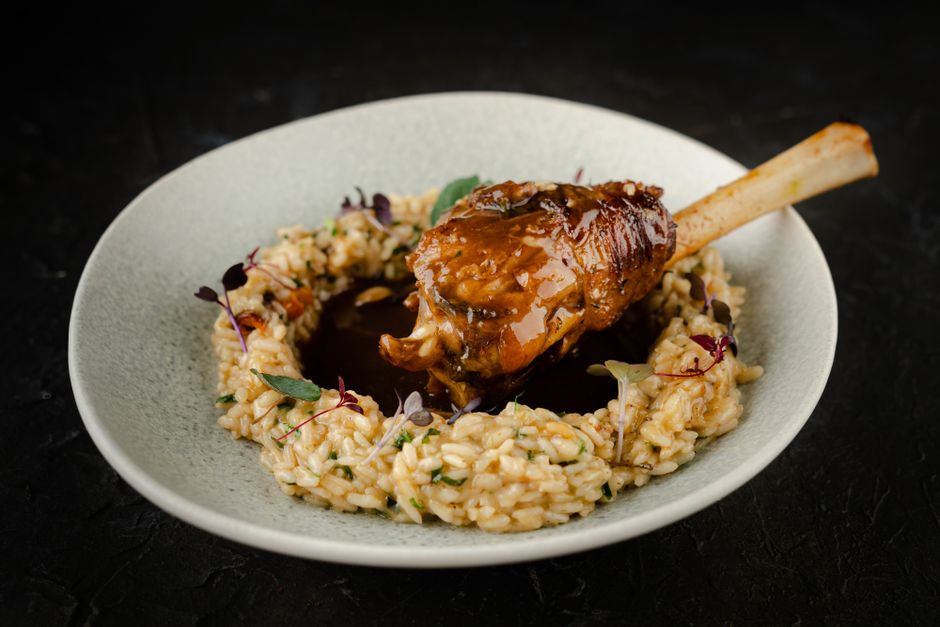
When a potential guest searches for your restaurant, the first impression is no longer the host stand—it’s your website. For boutique dining experiences, private chef services, and premium food concepts, the website must convey taste, atmosphere, and reliability within seconds. Yet many owners discover too late that a cheap template or a rushed DIY build creates more problems than it solves.
Before you commit to a WordPress theme for your restaurant, it’s worth stepping back and evaluating the real business criteria that separate a good investment from a costly distraction.
The Real Cost of a Wrong Theme Choice
Restaurant websites have unique demands: high-quality imagery, menu updates, reservation integration, and mobile-first performance. A generic theme might look decent on launch day, but six months later you’ll likely face slow load times, broken layouts after updates, or difficulty adding new features. The hidden cost isn’t the theme price—it’s the developer hours spent patching problems, the lost reservations from slow pages, and the brand dilution from a site that feels outdated.
When we help clients select a WordPress theme, we always start with three core evaluation criteria: performance architecture, update reliability, and editorial flexibility.
What to Look for in a Restaurant WordPress Theme
1. Performance-First Codebase
A beautiful theme is useless if it loads slowly. Restaurant sites are image-heavy by nature, so the theme must handle lazy loading, efficient CSS, and minimal JavaScript bloat. Check whether the theme is built on a lightweight framework or a bloated page builder. The difference can be 2–3 seconds of loading time—which directly impacts bounce rates and Google rankings.
2. Menu and Reservation Integration
Your menu is your core sales tool. A good restaurant theme should present menus in a clean, scannable layout—not force you into rigid templates. Similarly, native support for reservation plugins or online booking widgets saves you from hacking together third-party solutions later.
3. Brand Customization Without Code
Boutique restaurants have distinct visual identities. The theme should let you adjust colors, typography, and layout spacing through a visual interface, not a CSS file. This keeps your brand consistent without needing a developer for every small change.
Why Veloq Meets These Criteria
Having evaluated dozens of options for our own clients, we consistently find that the Veloq - Premium Restaurant & Dining WordPress Theme hits the sweet spot for premium dining businesses. It’s designed specifically for boutique restaurants, private chefs, and high-end dining concepts—not as a repurposed blog or portfolio theme.
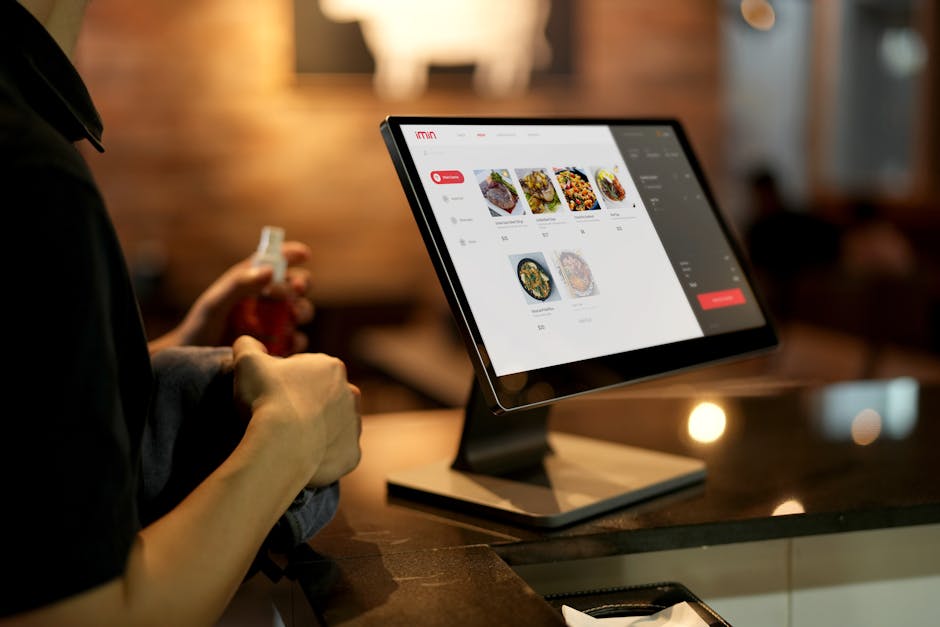
Veloq prioritizes performance with a clean codebase that avoids unnecessary dependencies. Its menu layouts are built for visual storytelling, letting you present dishes with photography and descriptive text that sells the experience, not just the ingredients. For reservation management, it integrates smoothly with popular booking plugins, so you’re not stuck with a single provider.
Perhaps most importantly for business owners, Veloq offers customization controls that don’t require a developer. You can adjust the look and feel to match your brand’s color palette and typography within the WordPress customizer. That means less time on maintenance and more time on your actual restaurant operations.
Total Cost of Ownership: Theme vs. Custom Build
A common debate is whether to invest in a premium theme or commission a fully custom website. The answer depends on your timeline and budget. A premium theme like Veloq, priced at $19, delivers a professional foundation that would cost thousands in custom development. The trade-off is that you work within a pre-designed structure, but for most boutique dining concepts, that structure is already optimized for the use case.
What we tell our clients: a premium theme is the smart choice if you need to launch quickly (< 2 weeks), want predictable performance, and plan to manage content updates yourself. Custom development makes sense only when you have highly unusual requirements—like a multi-location reservation system with custom logic—and a budget above $10,000.

Final Checklist Before You Buy
- Does the theme support your primary reservation method (plugin, widget, or embedded booking)?
- Can you customize colors and fonts without touching code?
- Is the theme updated regularly by the developer? Check the changelog.
- Does the demo site load quickly on mobile? Test it on 4G.
- Is the theme built for your specific niche, or is it a generic multipurpose theme?
If you’re building a site for a boutique restaurant, private chef, or premium dining experience, the Veloq - Premium Restaurant & Dining WordPress Theme checks every box. It’s a foundation that prioritizes your brand, your menu, and your guests’ experience—without the hidden costs of a wrong choice.
Ready to take your restaurant’s online presence to the next level? Explore Veloq and see how it fits your concept.