
What a Realistic WordPress Build Timeline Looks Like for Your Business
Published August 21, 2026
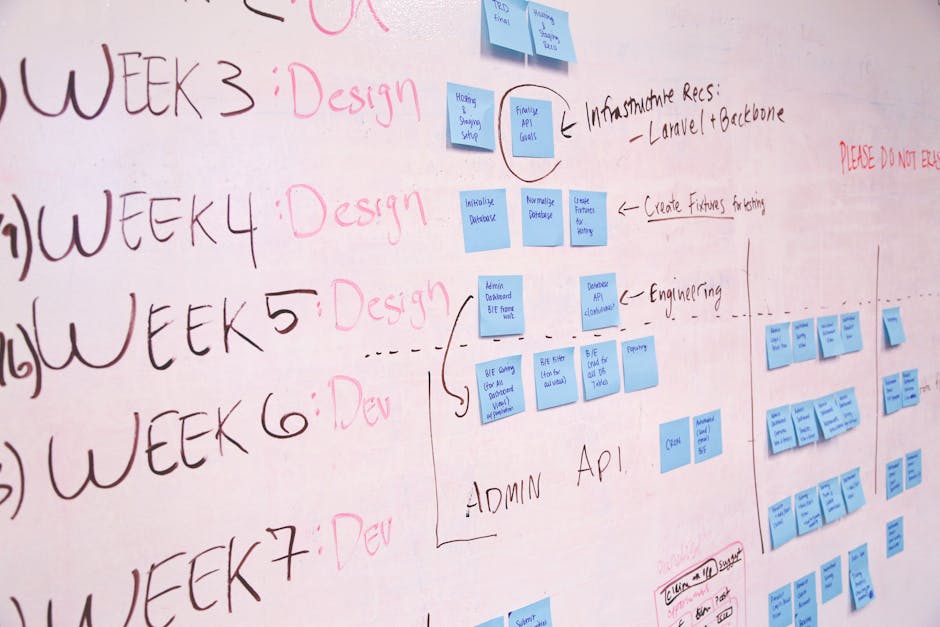
When you commission a WordPress website, the first question is usually "how long will it take?" The honest answer: longer than you think, and for reasons that have little to do with coding. As a service provider, we've seen projects stretch from six weeks to six months—not because of technical difficulty, but because of misaligned expectations, slow feedback, and scope creep.
This article gives you a realistic timeline breakdown, what causes delays, and how to avoid them. If you're planning a WordPress build, use this as your buyer's checklist.

Typical WordPress Build Phases and Durations
Every project is unique, but most WordPress builds follow a similar arc. Here's what you can expect for a standard business site (5–20 pages, custom design, moderate functionality):
- Discovery and planning (1–2 weeks): We define goals, audience, sitemap, and content requirements. This phase is critical—skipping it leads to rework later.
- Design (2–4 weeks): Wireframes, visual mockups, and revisions. Your feedback speed directly impacts this timeline.
- Development (3–6 weeks): Converting design to a functioning WordPress site, including custom functionality and integrations.
- Content population (1–3 weeks): Adding your copy, images, and media. Often done in parallel with development, but only if content is ready.
- Testing and QA (1–2 weeks): Cross-browser, mobile, performance, and usability checks.
- Launch and post-launch (3–5 days): Deployment, final checks, and training.
Total: 8–17 weeks. Most projects fall in the 10–14 week range. If someone promises under 6 weeks for a full custom build, ask what they're cutting.

Why Projects Slip: The Real Culprits
Technical work rarely causes the biggest delays. Here's what actually pushes timelines:
1. Content arrives late
You can't build a page without its text and images. In our experience, 70% of delays come from content not being ready on time. Plan to have all copy and media approved before development starts—or budget for a content creation service.
2. Feedback loops are slow
If your team takes a week to review a design, that week is added to the schedule. Set a rule: feedback within 48–72 hours, or the timeline extends.
3. Scope creep
"Can we add a blog?" "Make the form more complex?" Each addition adds days. We always recommend locking scope before signing, but changes are inevitable—just know they cost time.
4. Third-party dependencies
Payment gateways, CRM integrations, or custom APIs may have their own lead times. We often wait on vendors longer than we wait on clients.
"A realistic timeline isn't a promise of speed—it's a promise of predictability."
What an In-House Team Usually Underestimates
If you're considering building in-house, the timeline looks different. Your team will need time for:
- Learning WordPress best practices (security, performance, maintainability).
- Design iterations—in-house designers often have other duties, so turnaround stretches.
- Testing on devices and browsers you may not have.
- Documentation and training for future editors.
An agency brings these as built-in steps. When we deliver, we've already done the QA, documented the site, and trained your team. That's why outsourcing often compresses the overall calendar—even if the agency itself takes 10 weeks.
How to Speed Up Your WordPress Build
You can't eliminate all delays, but you can reduce them. Here's what we advise every client before we start:
- Prepare content early: Write copy, gather images, and get approvals before the project kicks off. This alone can cut 2–3 weeks.
- Designate a single decision-maker: One person with authority to approve designs and changes. Too many cooks slow the stew.
- Limit revisions: Most agencies include 2–3 rounds. Each extra round can add 3–5 days.
- Choose a proven provider: A team that has done similar builds will have processes that avoid common pitfalls.

Questions to Ask Before You Sign
Use these questions to gauge whether a provider's timeline is realistic:
- What happens if content is late? Do you have a buffer?
- How many design revisions are included?
- Who owns the code and design files?
- What's your process for handling scope changes?
- Can you show examples of projects that finished on time?
At AUMCREATE, we build WordPress sites for businesses that need reliability, not just speed. We set realistic timelines, communicate clearly, and deliver on schedule. If you're planning a build and want a partner who respects your time, let's talk.