
Realistic WordPress Build Timelines: What Business Buyers Should Expect
Published June 24, 2026
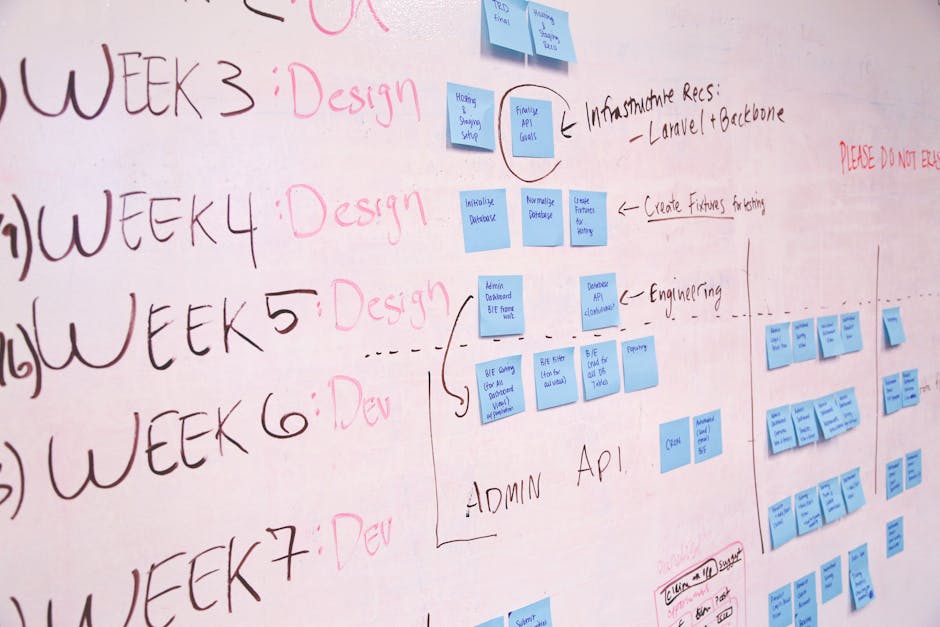
When a business decides to commission a new WordPress site, one of the first questions is almost always: "How long will it take?" The answer, unfortunately, is rarely a simple number. Between marketing promises of "launch in a week" and the reality of custom development, expectations often diverge sharply from what actually happens. Understanding the true timeline for a professional WordPress build is critical for budgeting, resource allocation, and avoiding costly delays.

What Defines a WordPress Build?
The scope of a WordPress project varies enormously. A simple brochure site with five pages and an off-the-shelf theme can indeed be assembled in a few days. But for businesses that need something more—custom functionality, integrations with CRM or ERP systems, unique design, or a content-rich platform—the timeline stretches significantly. In our experience delivering these projects, the single biggest variable is the level of customization required.
Key Drivers of Timeline
- Custom design versus template: A pre-built theme can cut weeks off the schedule, but it often comes with compromises in brand alignment and user experience. Custom design adds 2–4 weeks for mockups, revisions, and approvals.
- Content readiness: Many projects stall because the client's content (text, images, videos) arrives late. Plan for at least 2–3 weeks of content creation and review.
- Integration complexity: Connecting a WordPress site to a booking system, payment gateway, or marketing automation tool can add 1–3 weeks of development and testing.
- Custom functionality: Building a bespoke plugin or custom post type for a specific business need typically adds 2–6 weeks depending on complexity.
- Testing and revisions: A thorough QA cycle—including cross-browser testing, mobile responsiveness, and performance checks—takes at least 1–2 weeks.

Typical Phases of a WordPress Build
A professional WordPress project follows a structured lifecycle. Here's a realistic breakdown of each phase for a mid-complexity project (e.g., a 20-page corporate site with custom design and a few integrations):
Discovery and Planning (1–2 weeks)
This phase includes stakeholder interviews, competitive analysis, sitemap creation, and technical specification. Rushing this step leads to scope creep later.
Design (2–4 weeks)
Wireframes, visual mockups, and client review cycles. Expect 2–3 rounds of revisions. This is where brand identity is solidified.
Development (4–8 weeks)
Front-end coding, back-end integration, custom plugin work, and content population. The actual coding is rarely the bottleneck—it's the integration and content that take time.
Testing and Launch (1–2 weeks)
QA, performance tuning, security checks, and final deployment. A soft launch to a staging environment is recommended before going live.
Total: 8–16 weeks is a realistic range for a custom WordPress build. Simpler projects can be 4–6 weeks, while complex ones (e-commerce, membership sites, multilingual) can stretch to 20+ weeks.
Common Hidden Delays
Even with a solid plan, certain factors often derail timelines:
- Third-party dependencies: Waiting for API access, SSL certificates, or DNS changes from hosting providers can add days or weeks.
- Decision paralysis: Internal approval chains that require multiple sign-offs can slow progress. Set clear deadlines for feedback.
- Scope creep: Adding features mid-build without adjusting the timeline is a common pitfall. A change order process helps manage this.
- Unforeseen technical issues: Server limitations, plugin conflicts, or data migration problems can require extra debugging.
One client we worked with added a custom booking system halfway through development. The timeline doubled, but the result was a much more valuable asset for their business. The key was planning for that flexibility upfront.

How to Set Realistic Expectations
To avoid disappointment, businesses should start by defining their minimum viable product (MVP) and a wishlist. Focus on getting the core functionality right first. Also, ensure that internal resources—especially content writers and decision-makers—are available when needed. A dedicated project manager from the agency side can also help keep things on track.
Questions to Ask a WordPress Agency
- What is your typical timeline for a project like ours?
- What assumptions are baked into that estimate?
- How do you handle scope changes mid-project?
- What is your process for content integration?
- What post-launch support do you offer?
Understanding these factors helps you compare proposals fairly and avoid surprises. A transparent agency will share their process and timeline openly.
When Custom Builds Make Sense
For many businesses, a custom WordPress build is the right choice when off-the-shelf solutions can't accommodate unique workflows, branding needs, or scalability requirements. The investment in time pays off in a site that performs better, ranks higher, and converts more visitors. If your team is evaluating this path, it's worth consulting with a studio that has experience delivering complex WordPress projects on schedule.
If you're looking for a partner who can navigate these timelines effectively, talk to us at AUMCREATE. We help businesses like yours build custom WordPress solutions that align with your goals—without the guesswork.