
What Ecommerce Operations Automation Really Saves: A Buyer's Breakdown
Published August 3, 2026

Every ecommerce founder knows the feeling: orders are growing, but so is the pile of manual work. Someone is copying tracking numbers into emails, another person is answering the same shipping question for the hundredth time, and a third is reconciling orders with the warehouse. The cost of that labor is silent — it hides in payroll, overtime, and the opportunity cost of work not done.

Automation promises to fix this, but the promise is often vague. What does “automation” actually save? And more importantly, where should a business owner focus first to see real labor reduction? This article breaks down the operational areas that matter most and what a realistic return looks like.
The Hidden Labor in Order Processing
Order processing is the backbone of ecommerce, yet it's where most manual drudgery lives. Every order triggers a chain: payment verification, fraud checks, inventory updates, fulfillment instructions, and customer notifications. In a small operation, that chain is handled by humans — often the same person doing all of it.
When we audit client operations, we typically find that 60–70% of order-related tasks are repetitive and rule-based. That means they can be automated without losing accuracy. For example, order data entry, confirmation emails, and basic inventory adjustments are prime candidates. But the real savings come from reducing the touchpoints — how many times a human has to intervene before an order ships.
In our experience, automating order flow alone can cut order handling time by 40–50%, but only if the underlying processes are clean.
The catch is that automation isn't a plug-and-play solution. It requires mapping your current workflow, identifying exceptions, and setting up triggers. That's why businesses that try to DIY often end up with a patchwork of tools that don't talk to each other, and the labor savings never materialize.

Customer Support: The Quiet Labor Sink
Customer support is another area where labor costs balloon. Every email, chat, or phone call consumes time — even the ones that are easily resolved. Studies show that 60–70% of support tickets are repetitive: order status, return instructions, shipping delays. These are perfect candidates for automation.
Automation here doesn't mean replacing your support team. It means deflecting the routine questions so your team can focus on complex issues that genuinely need human judgment. For instance, an automated system can provide real-time order tracking, process returns, and send proactive shipping notifications. When we implement these for clients, we often see a 30–40% reduction in ticket volume.
But there's a nuance: automation must be smart. A poorly set up chatbot that frustrates customers is worse than no automation at all. The goal is to reduce friction, not add it. That's why we emphasize a “human-first” approach — automate the mundane, elevate the human.
A 30% reduction in support tickets might not sound huge, but for a team of five, that's one full-time employee's worth of hours every week.
Inventory and Fulfillment: Where Errors Cost More Than Labor
Inventory management and fulfillment coordination are often overlooked in automation discussions, yet they carry the highest risk. Manual inventory updates lead to overselling, stockouts, and shipping delays — each of which costs money and customer trust. Automating inventory sync between your store, warehouse, and suppliers can eliminate these errors.
Labor savings here are indirect but substantial. When inventory is accurate, you spend less time on exception handling — the frantic emails, the refunds, the re-routing. We've seen businesses reduce fulfillment-related labor by 20–30% just by automating the data flow between systems.
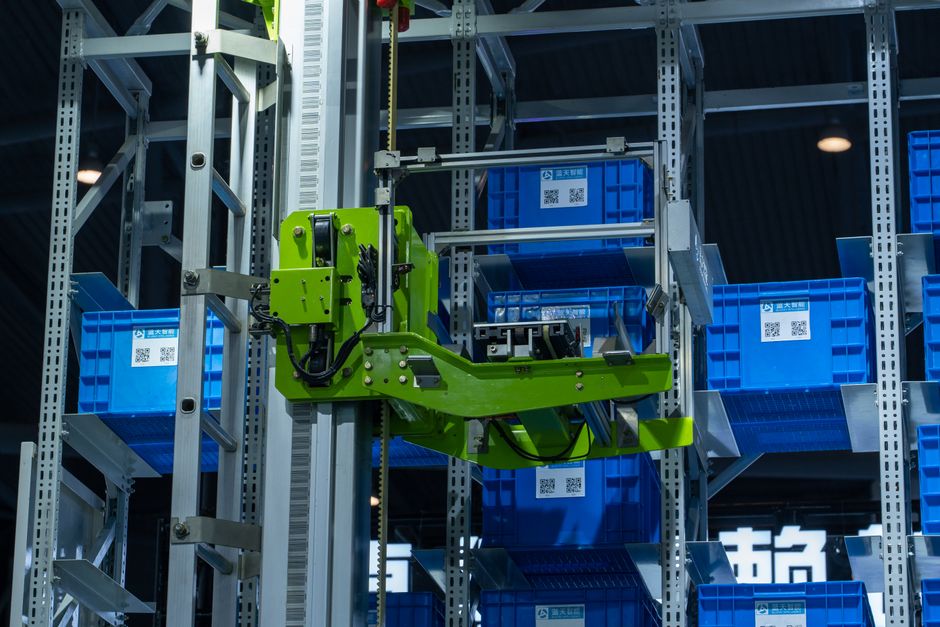
However, this is also the area where businesses often underestimate complexity. Integrating with multiple sales channels, warehouses, and shipping providers requires careful planning. A one-size-fits-all automation tool rarely fits. That's why we start with a process audit before recommending any technology.
What a Realistic Labor Savings Calculation Looks Like
Let's put numbers on it. A typical ecommerce business with 100 orders per day might spend 2–3 hours per day on order processing alone. Add another 2 hours on support queries, and 1 hour on inventory tasks. That's 5–6 hours of daily manual labor — roughly 25–30 hours per week, or 0.75–1 full-time employee.
With automation across order processing, support deflection, and inventory sync, we typically see a 30–50% reduction in these hours. For a business paying $20–30 per hour (including benefits), that's $12,000–18,000 per year in savings per affected role. Multiply that by multiple roles, and the ROI becomes clear.
But the savings aren't just about replacing hours. It's about reallocating your team to higher-value work: marketing, customer relationship building, product development. The opportunity cost of a founder manually entering orders is enormous.
The Non-Labor Benefits That Compound
- Fewer errors: Automated data entry eliminates typos and mis-shipments, reducing refunds and negative reviews.
- Faster response times: Automated support replies are instant, improving customer satisfaction scores.
- Scalability: When order volume doubles, you don't need to double your headcount.
- Better data: Clean, automated data gives you insights into trends that manual spreadsheets hide.
Where to Start: A Buyer's Checklist
If you're considering ecommerce automation, don't buy tools first. Start by mapping your current workflows and identifying the biggest time sinks. Then evaluate which areas have the highest volume of repetitive tasks. Order processing and support are typically the lowest-hanging fruit.
Next, consider the integration complexity. Automation only works if your systems talk to each other. If you're using a patchwork of apps, you might need middleware or custom development. That's where a partner like AUMCREATE can help — we've built automation solutions that connect order management, support, and inventory for clients across industries.
Finally, think about the long-term. Automation isn't a one-time project; it's an ongoing optimization. As your business grows, your automation needs will evolve. A partner who understands both the technical and the business side is invaluable.

In summary, ecommerce automation saves real labor hours, but only if you approach it strategically. Focus on high-volume, rule-based tasks first, measure the time saved, and then expand. The businesses that see the biggest wins are the ones that treat automation as a continuous improvement process, not a one-off purchase.
If your team needs help identifying where automation can cut labor costs in your ecommerce operations, talk to us. We'll audit your workflows and show you exactly where the savings are.